You CAN Ask That – February Edition
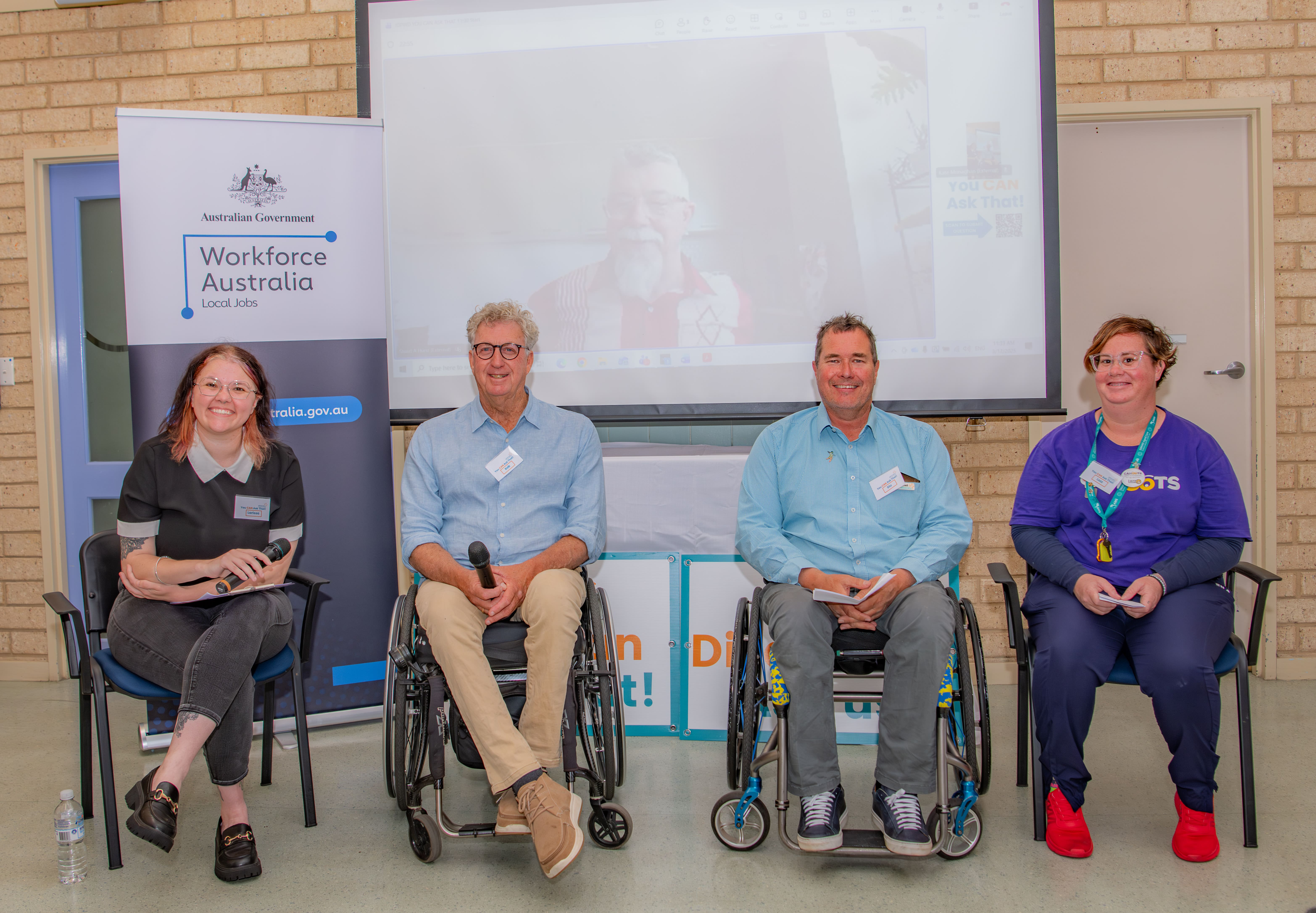
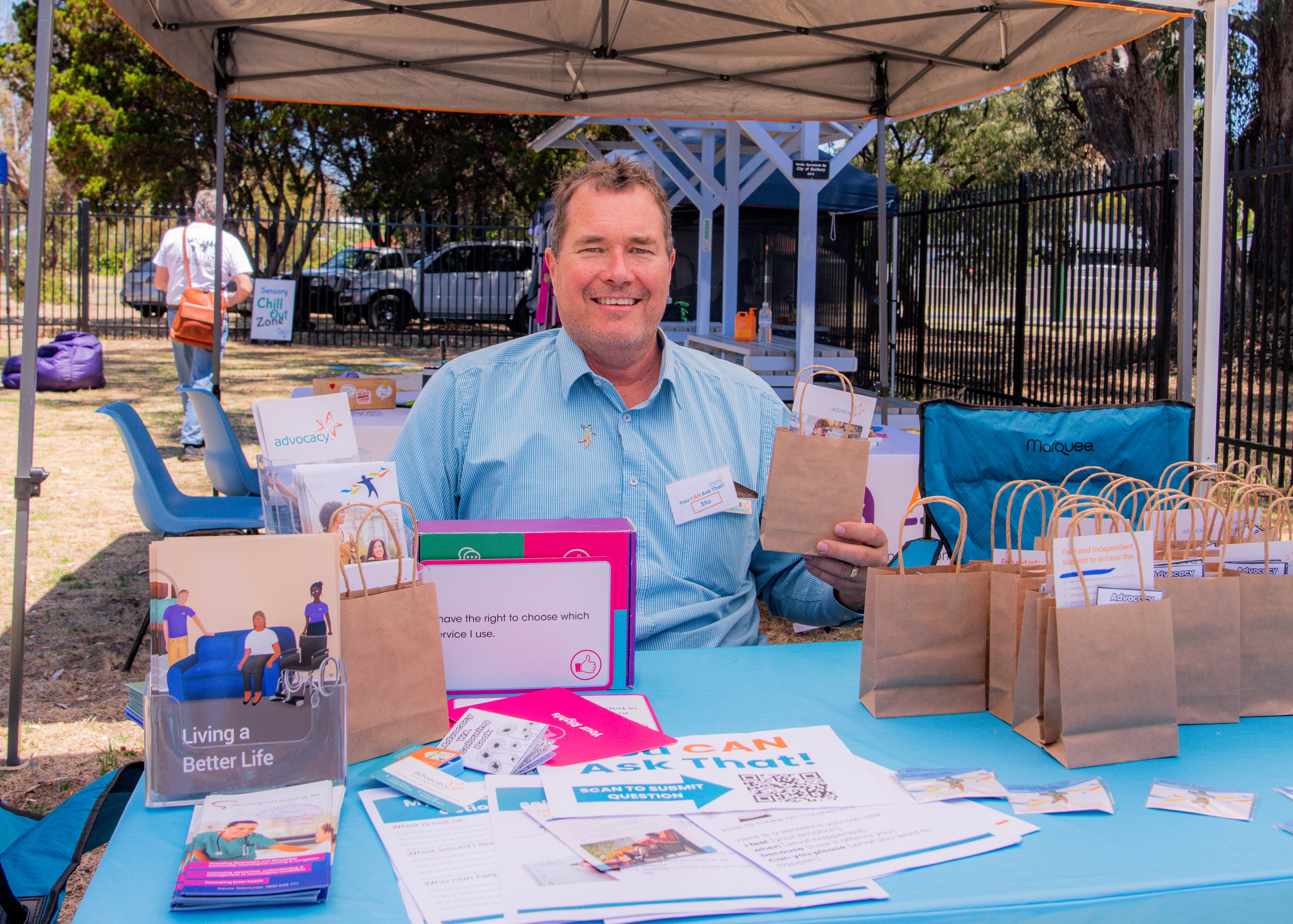
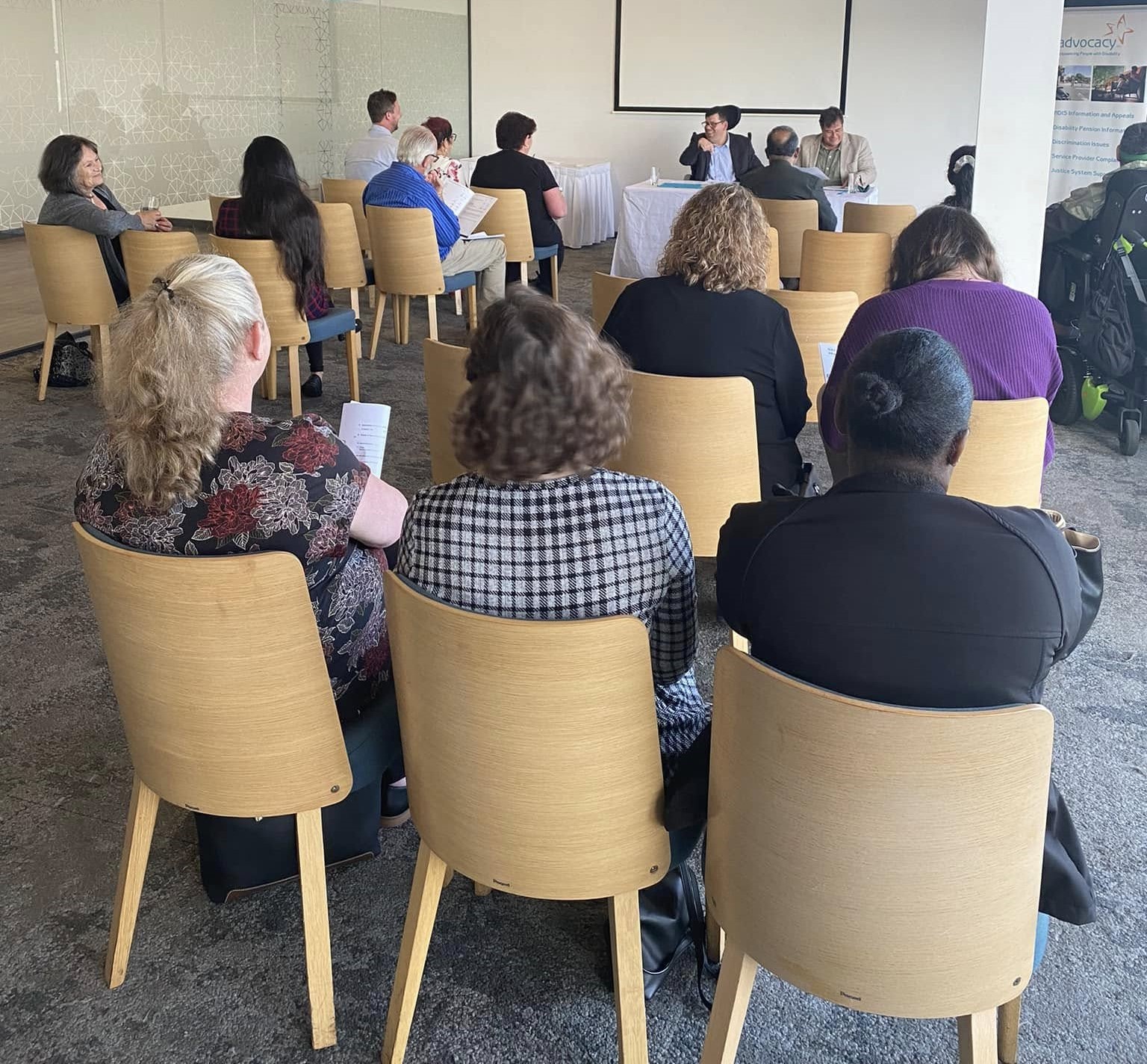
Each month we invite questions from the community and ask a small panel of people with lived experience and knowledge of disability to share their perspectives. The aim of You CAN Ask That is to create a space where people can ask honest questions and hear directly from people who live these experiences every day.
This month our panel responded to questions about stimming, hidden disabilities, and the upcoming changes to the NDIS.
What is stimming, and why do some people stim?
One panelist described stimming as a method of controlling outside stimulation. It can take many different forms depending on the person and what helps them manage sensory overload or anxiety.
“Stimming is a method of controlling outside stimulation. It can take many forms such as security toys, objects, blankets, or other comfort items. The important thing is that whatever it is, it helps people cope with situations of overstimulation.”
Stimming can happen for many reasons, and sometimes those reasons may seem unrelated to others. However, the cause is not always the most important part.
“These feelings can be caused by many different things that might seem unrelated. It does not matter why it is causing anxiety. What matters is that the stim helps the person cope with the situation.”
Our panel also highlighted that stimming is very individual.
“All people are individuals and the stim that works for them is individual to them.”
For many people, stimming is simply a way to regulate their senses or emotions so they can stay present and participate in the environment around them.
How can workplaces and community spaces better support people with hidden disabilities?
Hidden disabilities can include neurodivergence, chronic health conditions, mental health experiences, and other disabilities that may not be immediately visible.
One panelist said one of the most important things workplaces and communities can do is simply be open to conversation.
“Those in charge should be willing to have conversations with people in their workplace or community setting about the needs of others they are working with.”
Creating environments where people feel comfortable sharing what they need can make a big difference.
“It would be great if those who need support were consulted and their opinions and ways of coping were discussed openly.”
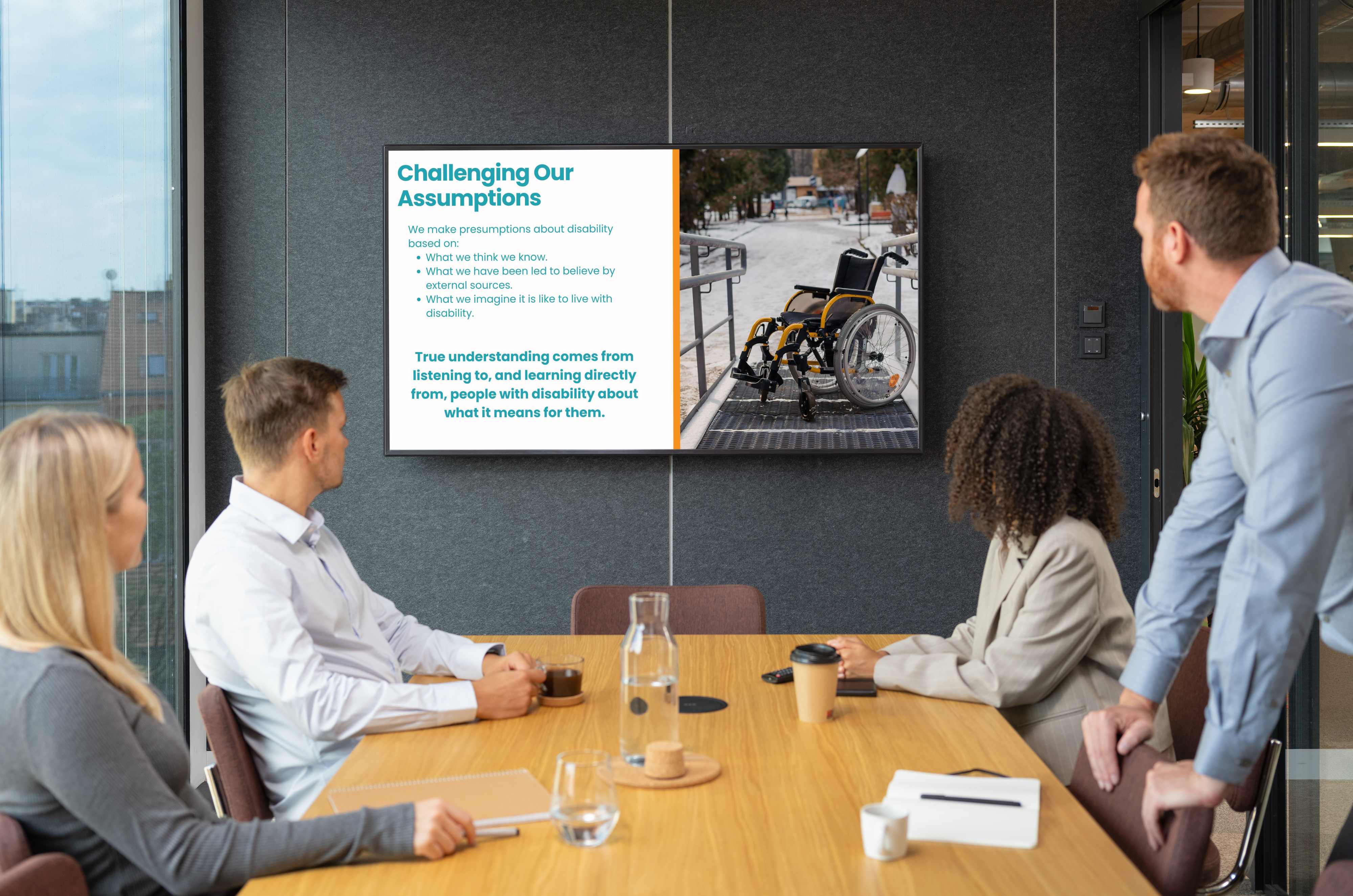
This approach helps shift the focus away from assumptions and toward understanding what works best for each individual.
Often the most effective adjustments are discovered when people with lived experience are included in the conversation.
With upcoming changes to the NDIS, what should people with disability and their families be paying attention to right now?
Several panelists shared their perspectives on the upcoming NDIS reforms and what they believe people should be watching closely.
“As a full time wheelchair user with a complex neurological disability like Spina Bifida, I am watching the upcoming NDIS changes closely because they will affect how plans are assessed, funded and reviewed.”
A major change is the introduction of a new support needs assessment process expected to begin rolling out from mid 2026.
“The new support needs assessment process is called I CAN and it assesses support needs at an interview looking at twelve domains. It is described as a strengths based assessment, which means it looks at what you can do with support.”
While the intention is to make planning more consistent, panelists raised concerns about whether standardised processes can fully capture the realities of complex disability.
“My life is not a template or a data pattern, and supports that look similar on paper can be completely different in practice depending on health, fatigue, environment and access.”
There are also questions about the role technology may play in generating budgets from assessment information.
“That raises real questions for me about how technology, especially anything resembling AI or automated decision systems, could ever fully understand the layered and fluctuating realities of complex disabilities.”
Another concern raised by the panel is how difficult it may be to change parts of a plan once an assessment has been completed.
“If a computer assisted tool misunderstands something, whether it is the level of care I need or how my health fluctuates, having to redo the entire planning process just to correct one part of a plan could be exhausting and stressful.”
Continuity of support is another key issue.
“For people with complex disabilities, any gap or uncertainty in funding is not just inconvenient. It can be dangerous. Losing supports even temporarily can mean missed care, reduced independence and strain on families.”
Because of these concerns, panelists emphasised the importance of preparation for assessments.
“The most critical thing a person applying for the NDIS or being reassessed can do is be fully prepared for the I CAN assessment interview.”
One suggestion shared was to think through the supports needed across daily life and clearly explain how those supports enable independence.
“For example, I might say: I can go to work and be a productive member of the community if I have an ultra lightweight wheelchair that I can lift into and out of my car.”
Panelists also encouraged people to seek advice and support if they are unsure how the changes might affect them.
“Find out if the changes are going to affect you or your family. Get in touch with your care provider or organisations involved in disability such as SWAN, DDWA, Advocacy WA and others. These groups deal with the NDIS regularly and can help guide people on what to do next.”
Keeping the conversation going
The perspectives shared this month highlight how important it is to listen to people with lived experience.
Every person’s disability, support needs, and life circumstances are different. When people with disability are included in conversations about policy, workplaces, and community spaces, the solutions are often clearer and more meaningful.
If you have a question you would like answered in a future edition of You CAN Ask That, we would love to hear from you. Honest questions help build understanding, and understanding helps build more inclusive communities. https://wkf.ms/3NxPstu


.png)
.png)
.png)
.png)
.png)


.png)
.png)
.png)
.png)
.png)
.png)
.png)


.png)
.png)

.png)


.png)
.png)
.png)

.png)
.png)

.png)
.png)
.png)
.png)
.png)

.png)
.png)

.png)
.png)