Know Your Rights: What Good Support Should Look Like
Know Your Rights: What Good Support Should Look Like
Everyone has the right to feel safe, respected, and listened to.
Good support is not just about someone helping you with a task. It is about how that support is given. It should protect your dignity, respect your choices, and help you have more control over your own life.
Whether you receive support at home, in the community, at work, at school, or through the NDIS, you have the right to expect support that is safe, respectful, and centred around you.
Good support starts with respect
Respectful support means you are treated as a person with your own thoughts, feelings, preferences, culture, identity, and goals.
A support worker or service provider should not speak down to you, ignore you, rush you, or make decisions without you. They should take the time to listen and understand what matters to you.
Good support should feel like working with someone, not being controlled by someone.
Respect can look like:
• being spoken to in a kind and respectful way
• being asked what you prefer
• being given time to make decisions
• having your privacy respected
• being supported to do things for yourself where possible
• being included in conversations about your own life
• having your culture, communication style, identity, and beliefs respected
You should not be made to feel like a burden for needing support.
You have the right to make choices
People with disability have the same right as everyone else to make choices about their own lives.
This includes choices about everyday things, such as what you wear, what you eat, where you go, who you spend time with, and how you spend your day.
It also includes bigger choices, such as where you live, what services you use, what goals you want to work towards, and who supports you.
Sometimes people may need help to understand information or think through their options. This is called supported decision-making. It means someone helps you understand your choices, but they do not take over.
Good support gives you information in a way that works for you. It helps you understand your options, risks, and possible outcomes, so you can make informed choices.
Support should not be about someone else deciding what is “best” for you without your involvement.
Good support should be safe
You have the right to feel safe with the people and services supporting you.
Safe support means your support workers and service providers act professionally, follow the rules, and take your wellbeing seriously. They should understand their responsibilities and know how to respond if something goes wrong.
You should never be hurt, threatened, ignored, bullied, neglected, exploited, or treated in a way that makes you feel unsafe.
Unsafe support can include:
• being yelled at, mocked, or threatened
• being touched without consent
• being left without the support you need
• having your money, medication, belongings, or personal information misused
• being stopped from seeing friends, family, or community without a clear and lawful reason
• being punished for speaking up
• being forced to do things you do not want to do
• having choices taken away without proper safeguards
If support makes you feel scared, trapped, embarrassed, powerless, or unsafe, it is important to tell someone you trust.
Good support protects your dignity
Dignity means being treated as someone who matters.
Support should never make you feel small, ashamed, or less important than other people. Even when you need help with personal tasks, you still have the right to privacy, choice, and respect.
For example, if someone supports you with personal care, they should explain what they are doing, ask for consent, give you privacy, and support you in the way you prefer.
If someone supports you in public, they should not talk about your private information where others can hear. They should not make jokes at your expense or speak about you as though you are not there.
Your dignity matters in every setting.
Good support helps you build confidence
Support should help you feel more confident, not more dependent.
This does not mean you have to do everything on your own. It means good support should build on your strengths and help you have more choice and control over time.
Good support might help you:
• learn a new skill
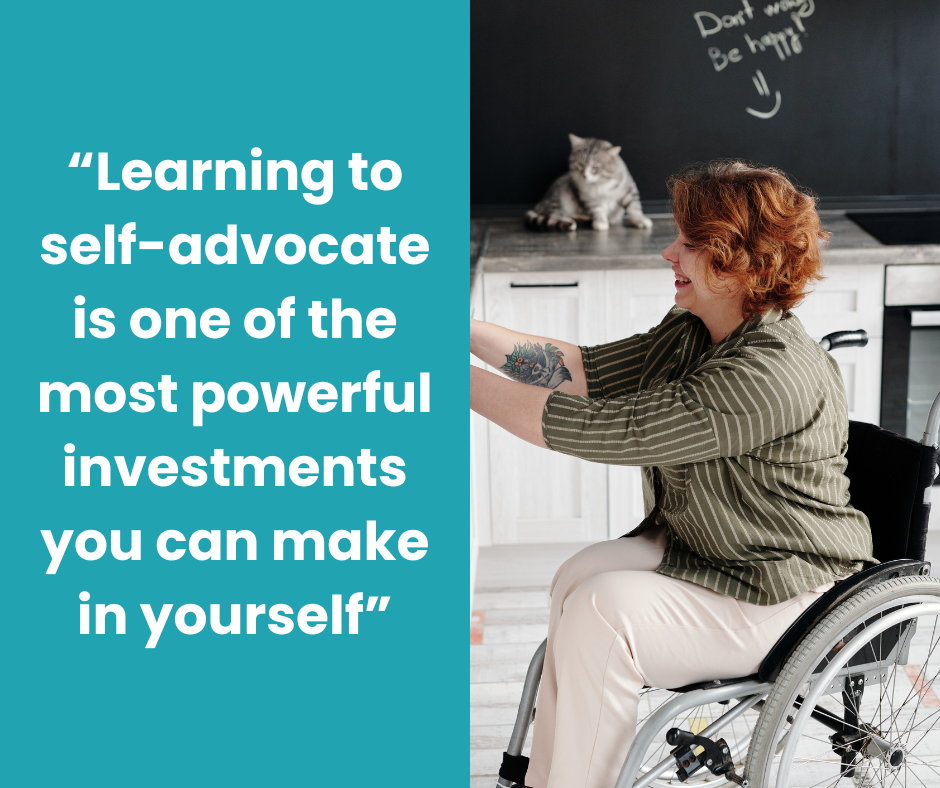
• practise speaking up
• understand your rights
• make a plan
• connect with your community
• try something new safely
• build confidence in everyday tasks
• feel more prepared for appointments or meetings
The goal of support should be to help you live the life you choose.
You should be listened to when something does not feel right
Sometimes people worry about speaking up because they do not want to upset anyone, lose their support, or be seen as difficult.
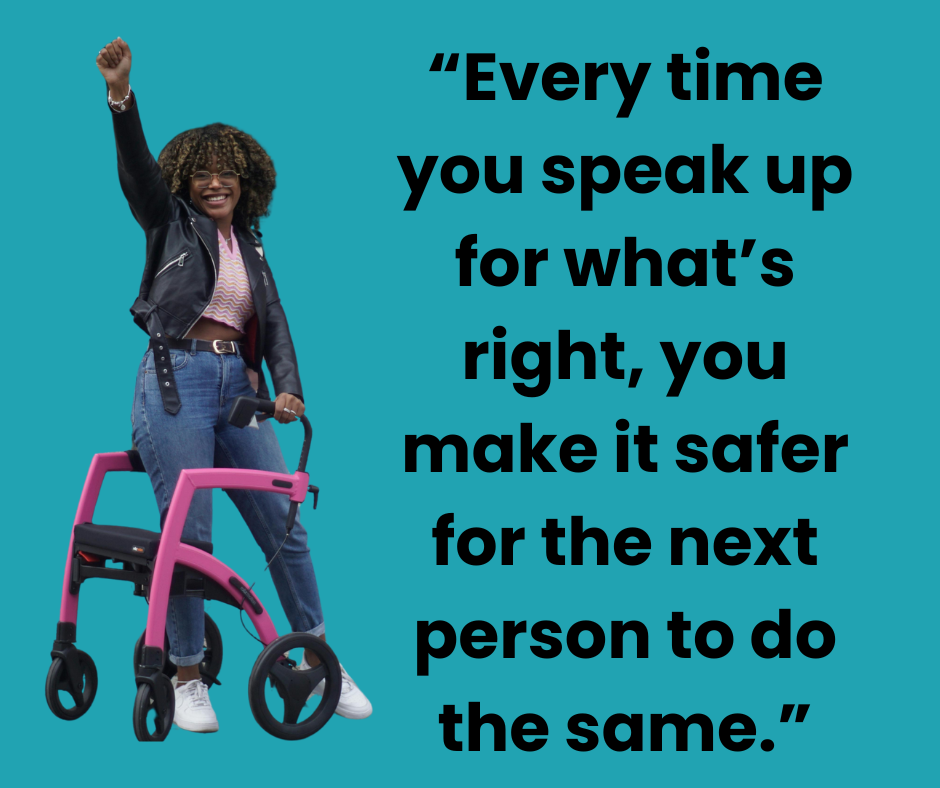
But speaking up is not being difficult. Speaking up is part of keeping yourself safe and making sure your support is working for you.
You have the right to ask questions, raise concerns, give feedback, and make complaints.
You can say things like:
• “I do not feel comfortable with that.”
• “I need more time to think about this.”
• “Can you explain that in a different way?”
• “I want to make this decision myself.”
• “I would like a support person with me.”
• “That does not feel respectful.”
• “I want to make a complaint.”
If something does not feel right, it is okay to trust that feeling.
What can you do if your support is not okay?
If you are unhappy with your support, there are steps you can take.
You might choose to:
• write down what happened
• include dates, times, names, and details
• talk to someone you trust
• ask for a meeting with the service provider
• bring a support person or advocate with you
• ask for information in writing
• make a complaint to the service
• contact an advocacy organisation for support
• contact the NDIS Quality and Safeguards Commission if the service is NDIS funded
You do not have to manage the situation alone.
An advocate can help you understand your rights, think through your options, prepare for conversations, and speak up about what needs to change.
Support should be centred around you
Person-centred support means your support is built around you.
It should consider your goals, needs, strengths, communication style, culture, identity, relationships, and preferences.
It should not be one-size-fits-all.
Good services take the time to understand the person they are supporting. They ask questions. They listen. They adapt. They work with you, not around you.
Person-centred support means you are not just included in decisions. You are at the centre of them.
Final message
Good support should help you feel safe, respected, heard, and included.
You have the right to make choices. You have the right to be treated with dignity. You have the right to speak up when something does not feel right.
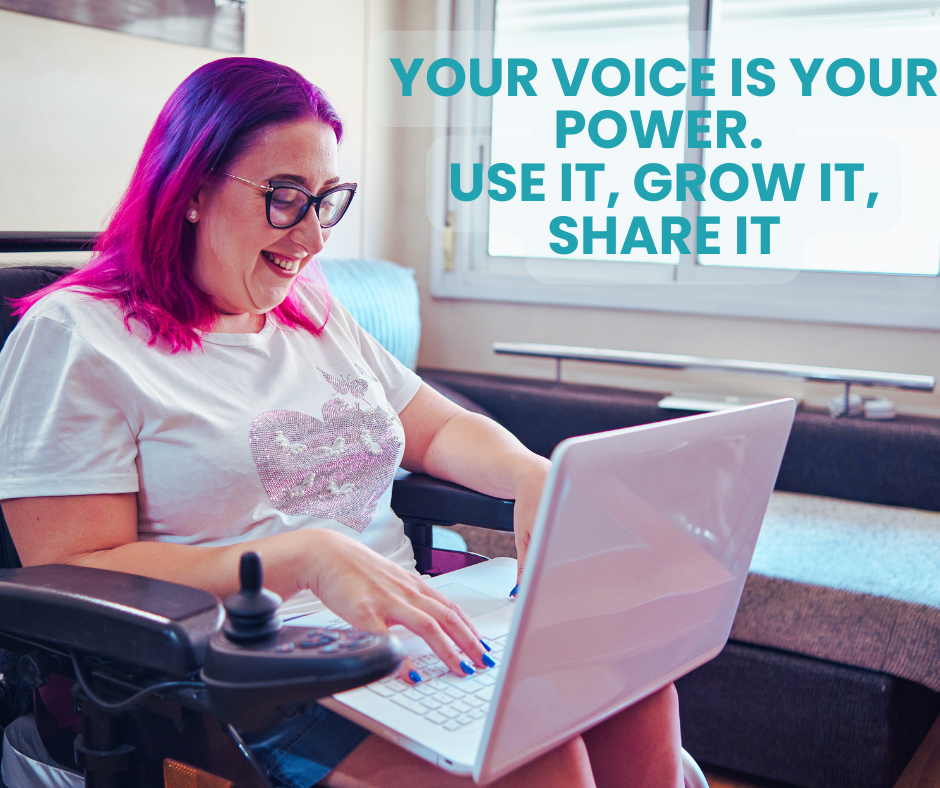
Support should never take away your voice.
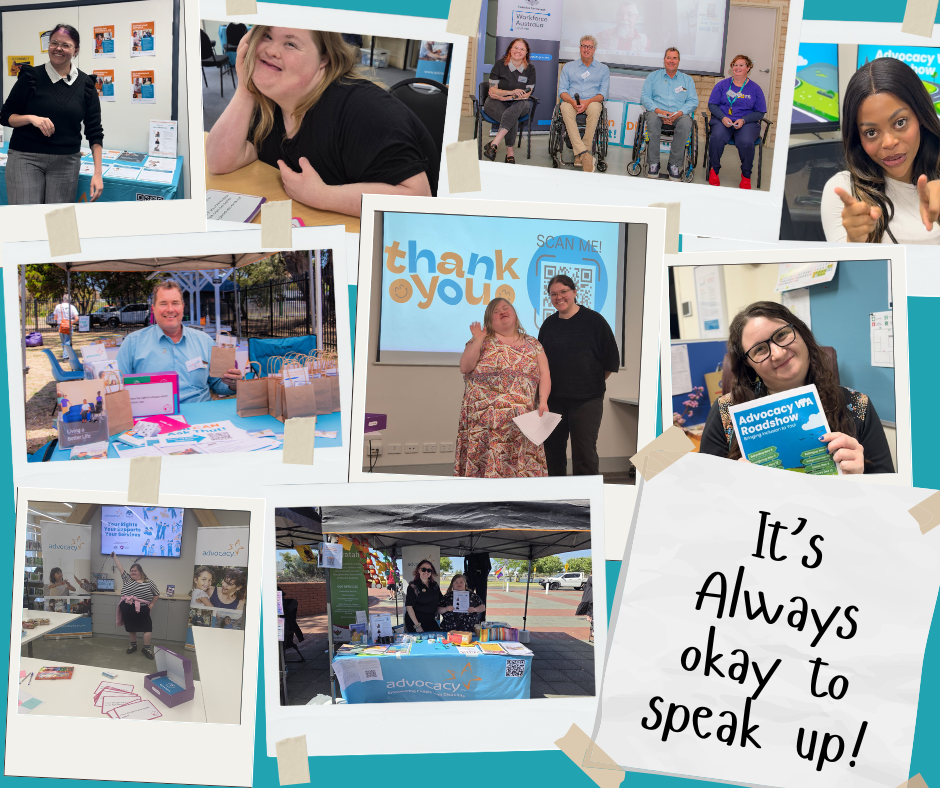
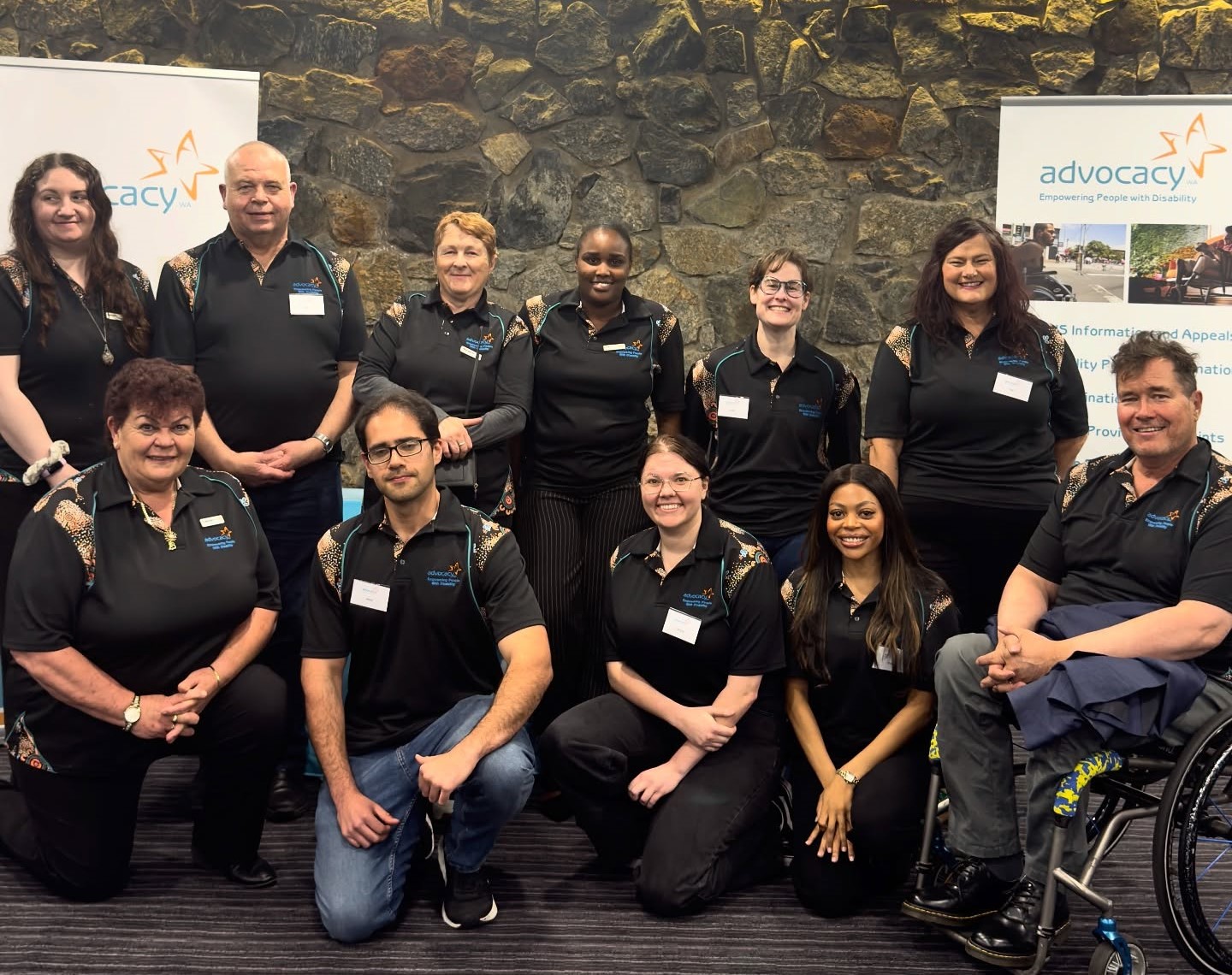
At Advocacy WA, we believe people with disability have the right to understand their rights, use their voice, and be supported to create change in their own lives and communities.



.png)
.png)
.png)
.png)
.png)


.png)
.png)
.png)
.png)
.png)
.png)
.png)


.png)

.png)




.png)



.png)
.png)
.png)
.png)
.png)

.png)
.png)
.png)
.png)
.png)

.png)
.png)

.png)
.png)