Designing Inclusive Events - Practical Tips for Local Organisations
Creating events that welcome everyone strengthens community connection, boosts participation, and ensures that people with disability can enjoy and contribute to local life on equal terms. As we step into 2026, more organisations across the South West are recognising that accessibility is not an add on, it is a core part of good event design.
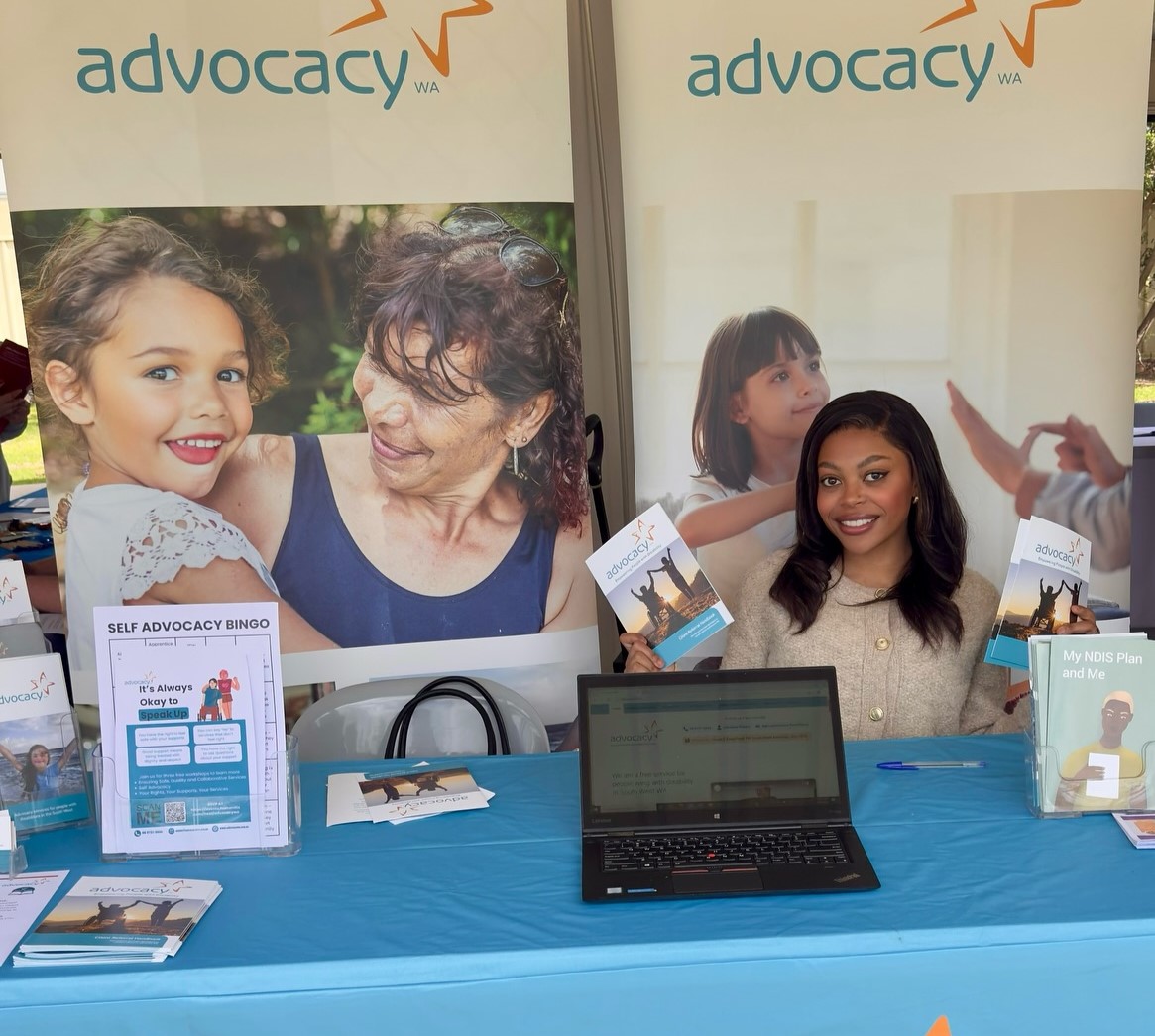
Advocacy WA will continue our All Access Events project throughout 2026, working alongside community groups, shires, schools, and festival organisers to embed accessibility and inclusion from the earliest planning stages. If you would like support with your event, you are welcome to contact our team at community@advocacywa.org.au.
If you would like to share your lived experience and be part of our All Access team, you can express your interest here: https://forms.office.com/r/a2a3dAehPT
Below are practical tips, drawn from our reviews, conversations with community members, and lived experience consultants. Each one helps build events where everyone feels safe, valued, and included.
Start with people, not checklists
Connect early with people with disability, carers, and support workers. Ask what would help them feel comfortable at your event. Lived experience voices help identify barriers that may not be obvious to planners.
Choose an accessible venue from the beginning
Consider parking, pathways, lighting, toilets, rest areas, and signage before confirming a location. Once a venue is booked, many barriers become difficult to fix later. Good access seen at the start makes your planning smoother.
Use clear communication and information
Share accessibility details on your event page, posters, and social media. Include information about parking, seating, quiet spaces, terrain, toilets, sensory considerations, and transport options. Clear information helps people decide if the event suits their needs.
Think about sensory and environmental needs
Quiet spaces, controlled lighting, lower volume zones, and clear routes away from crowds can make a big difference for people with sensory sensitivities, autistic people, families with young children, and anyone who becomes overwhelmed in busy environments.
Provide seating and rest areas throughout the event
Chairs with back support, shaded spaces, and spots to pause help people pace themselves. Rest spaces are especially important for people with chronic health conditions, mobility challenges, sensory needs, or fatigue.
Make pathways, signage, and layouts easy to navigate
Wide, clear paths, contrasting colours for changes in surface, and simple directional signage support people using mobility devices or vision aids. A logical layout helps everyone feel more confident and independent.
Plan for toilets and changing spaces that meet community needs
Accessible toilets must be easy to find and have enough space to turn mobility aids. If possible, consider adding a Changing Places facility or mobile alternative for larger events.
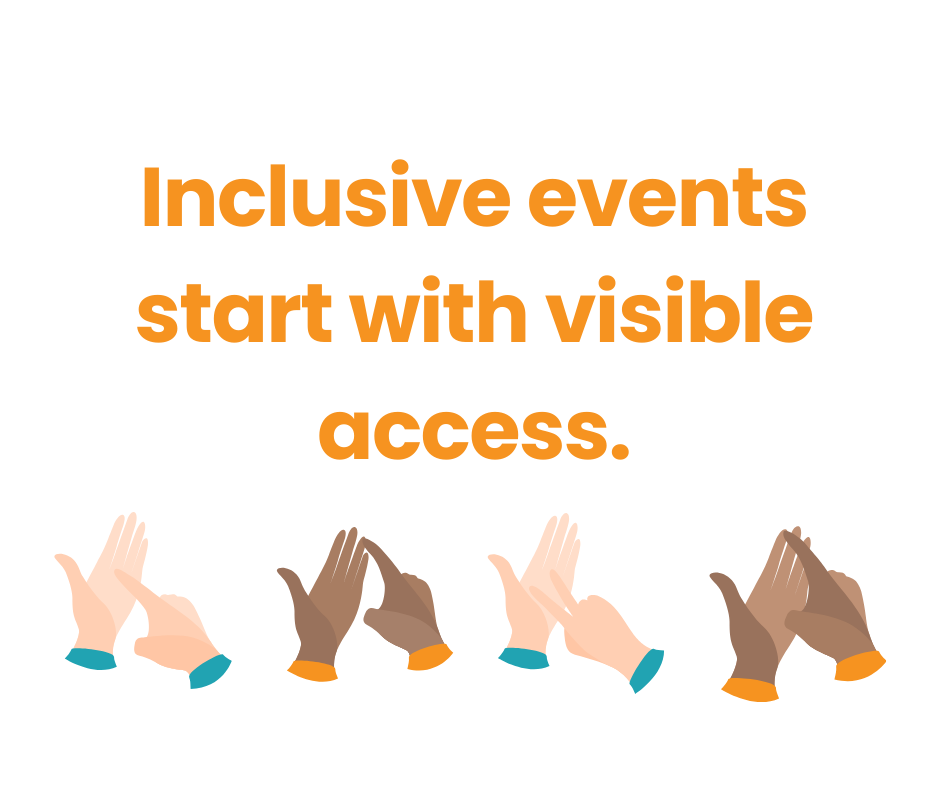
Include Auslan, captioning, and visual supports where possible
Auslan interpreters, live captioning, and visual schedules help people connect with event content in ways that work for them. Even small steps, like ensuring speakers use microphones and face the audience, improve access.
Train your volunteers and staff
A friendly welcome goes a long way. Provide simple guidance on respectful language, how to offer assistance, and where to direct questions. A confident team helps people feel safe and supported.
Consider queues, ticketing, and timing
Offer accessible entry points, reduced waiting options, and clear scheduling. Long queues can cause fatigue or pain for many people. Flexible timing and pre booking options also help people plan their day.
Create inclusive experiences, not separate ones
Aim for features that everyone can enjoy together. Universal design improves access for people with disability while also benefiting families, older adults, and anyone who appreciates clear, thoughtfully designed spaces.
Invite feedback and act on it
Accessibility is an ongoing practice. Encourage people to share what worked well and what could be improved. Collecting feedback during and after the event helps build stronger, more inclusive events over time.
Designing accessible events strengthens community connections and builds safe, welcoming spaces for everyone. Advocacy WA is here to support you through this process, whether you are hosting a small community gathering or a large festival.


.png)
.png)
.png)
.png)
.png)


.png)
.png)
.png)
.png)
.png)
.png)
.png)


.png)
.png)


.png)


.png)
.png)
.png)
.png)
.png)

.png)
.png)
.png)
.png)
.png)

.png)
.png)

.png)
.png)