Why accessibility, not disability, is the real barrier and How the South West Can Lead the Way
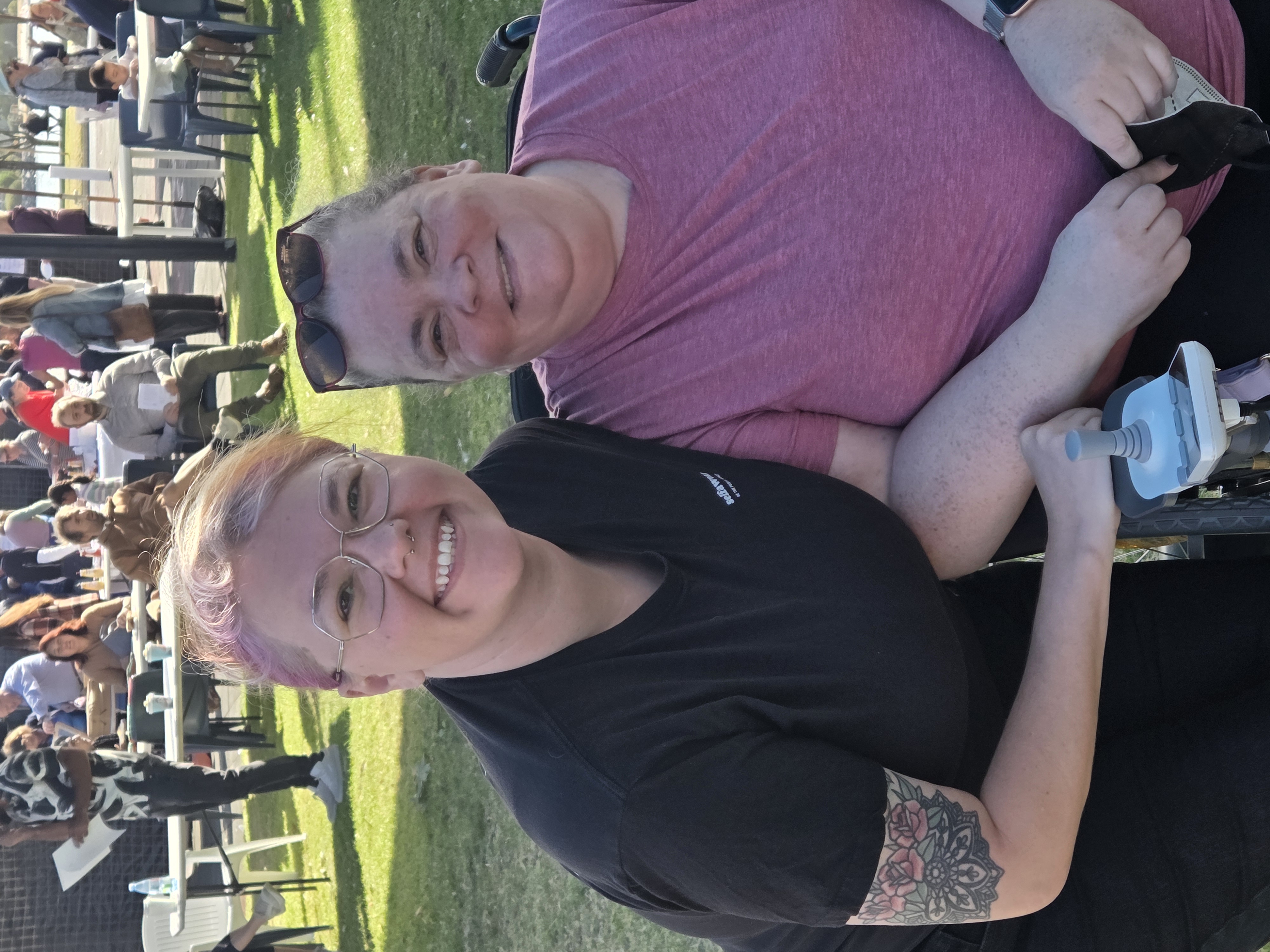
I grew up with a mum who uses a wheelchair.
When I was little, I did not understand disability. I understood difference. And I understood how the world responded to it.
I remember sitting on Santa’s knee at the shopping centre and asking if he could take my mum’s disability away. That is how deeply the medical model message had settled in me, that disability was something that needed to be fixed.
What I know now is this:
It was never my mum that needed fixing.
It was the stairs.
It was the narrow doorways.
It was the inaccessible bathrooms.
It was the attitudes.
Disability was never the barrier. Inaccessibility was.
If You Are Not Seeing People With Disability, Ask Why
If you look around your community and you are not seeing people with disability, it is not because they are not there.
One in five Australians lives with disability. People with disability are already part of every town, every workplace, every school, every sporting club.
When people are not visible, it is often because spaces do not feel welcoming. Events are not accessible. Participation comes with too many barriers.
Accessibility is not a special feature. It is what allows people to participate fully.
Not All Disability Is Visible
We also need to remember that many disabilities are not immediately obvious.
Neurodivergence.
Chronic health conditions.
Mental health.
Sensory differences.
As someone who fits within the hidden disability bracket myself, I know that accessibility is not only about ramps and parking bays. It is about clear communication. Thoughtful environments. Flexible approaches. It is about creating spaces where people feel considered, even when their needs are not visible.
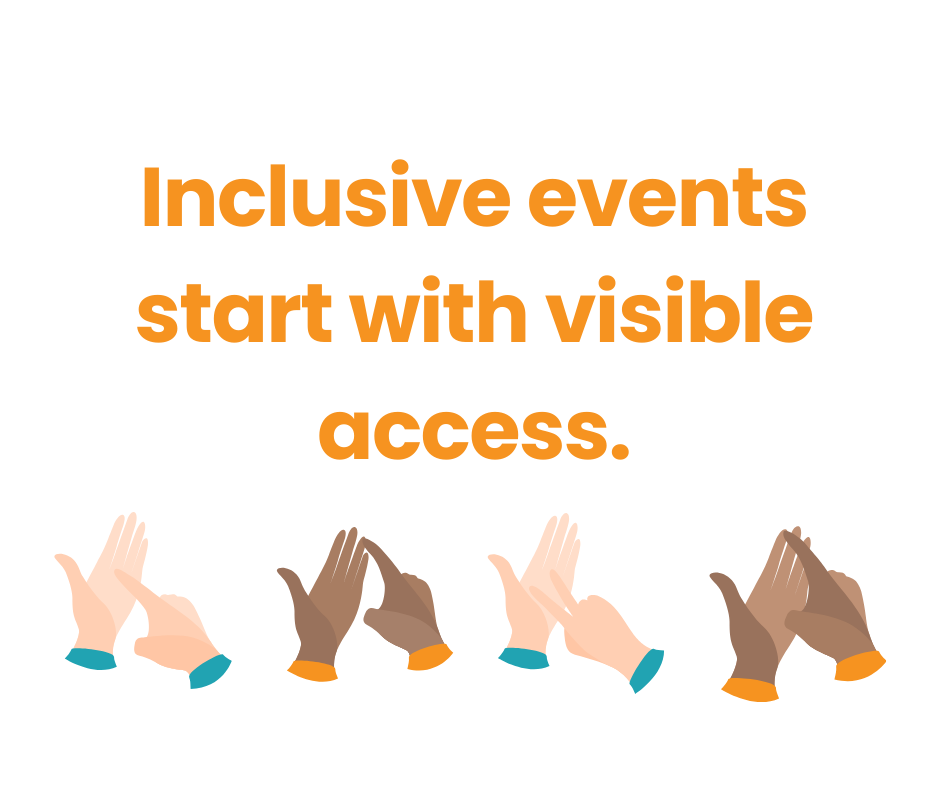
Accessibility should be visible, intentional and obvious. When people can clearly see that a space has been designed with them in mind, they feel invited in. They feel respected. They feel welcome.
We Already Know How to Remove Barriers
I have a vision impairment. I need glasses to drive, to read, to work, to do my job every day.
Glasses are so normal in Australia that we rarely think of them as an accessibility tool. But they are. We designed a solution. We normalised it. We accepted that this is what allows people to participate fully.
That is what accessibility does. It removes the barrier.
When businesses think carefully about layout, when event organisers plan with inclusion from the beginning, when councils apply universal design principles early in a project, barriers shrink.
And when barriers shrink, everyone benefits. Parents with prams. Older people. Visitors. Children. People with disability.
Accessibility is not a niche improvement. It strengthens the entire community.
Small Changes, Big Impact
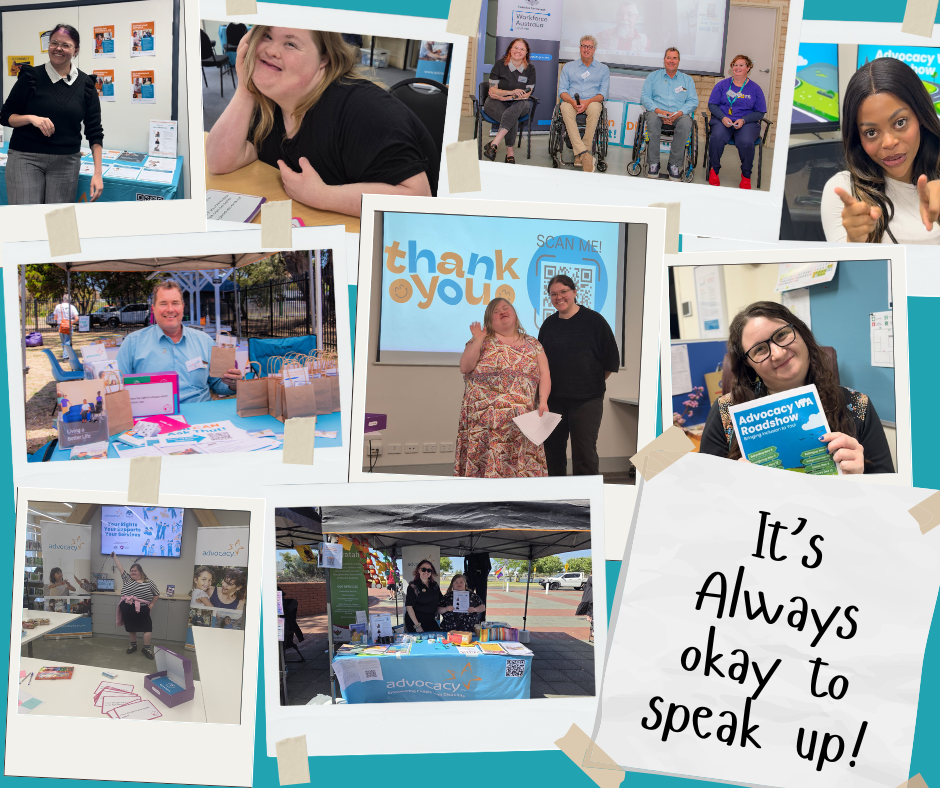
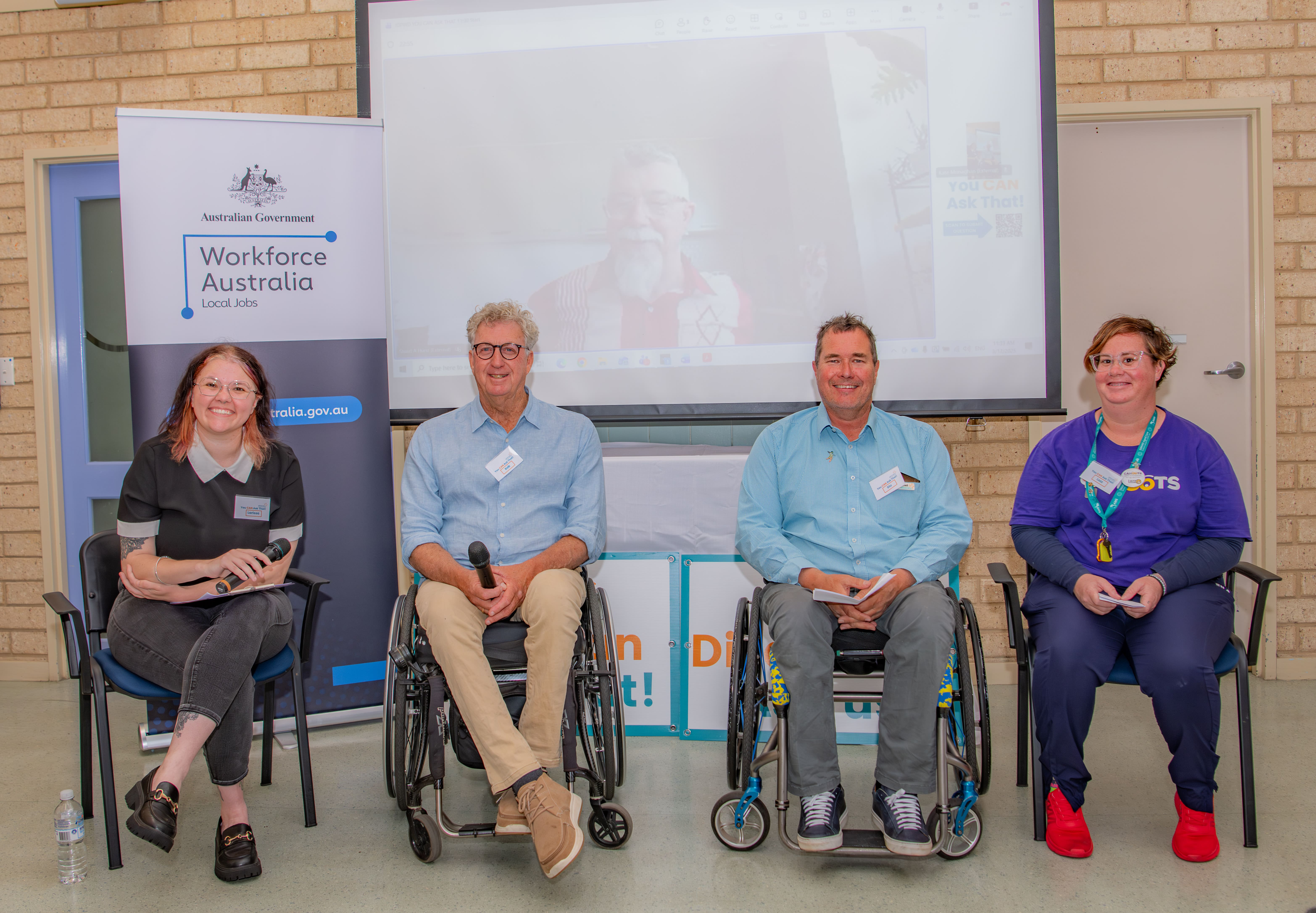
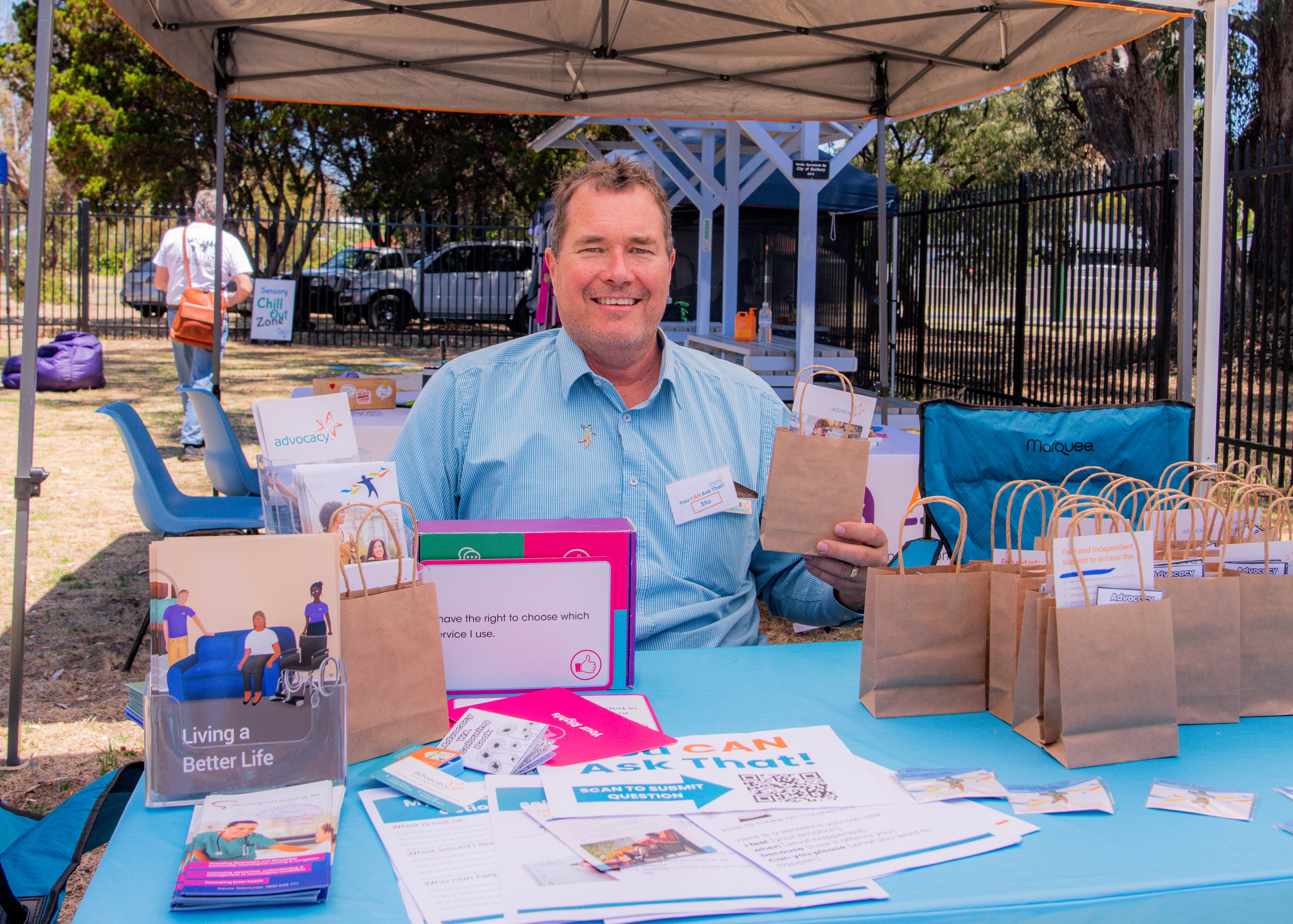
Through D Connect, we are not asking for something unrealistic. We are sharing education about how achievable inclusion really is.
I have seen small changes create enormous impact. A venue makes a simple adjustment and suddenly welcomes people who had never been able to enter before. A community group shifts its language and creates a space where people feel safe and respected for the first time.
These are not dramatic transformations. They are thoughtful decisions.
And they matter.
The South West Can Lead the Way
I truly believe the South West can become the most accessible and inclusive region in Australia.
Not because it will happen overnight. Not because it requires perfection. But because communities are capable of change when they choose to prioritise inclusion.
It is the small, everyday actions of people that remove barriers and make communities stronger. Small acts of intention. Small acts of inclusion. Small decisions made with accessibility in mind.
When that happens, participation increases. Belonging grows. And our whole community becomes stronger.
Accessibility is not about fixing people.
It is about removing barriers.
And that is something we can all be part of.
Larissa Beeby - Community Projects Manager


.png)
.png)
.png)
.png)
.png)


.png)
.png)
.png)
.png)
.png)
.png)
.png)



.png)
.png)


.png)


.png)
.png)
.png)
.png)
.png)

.png)
.png)
.png)
.png)
.png)

.png)
.png)

.png)
.png)